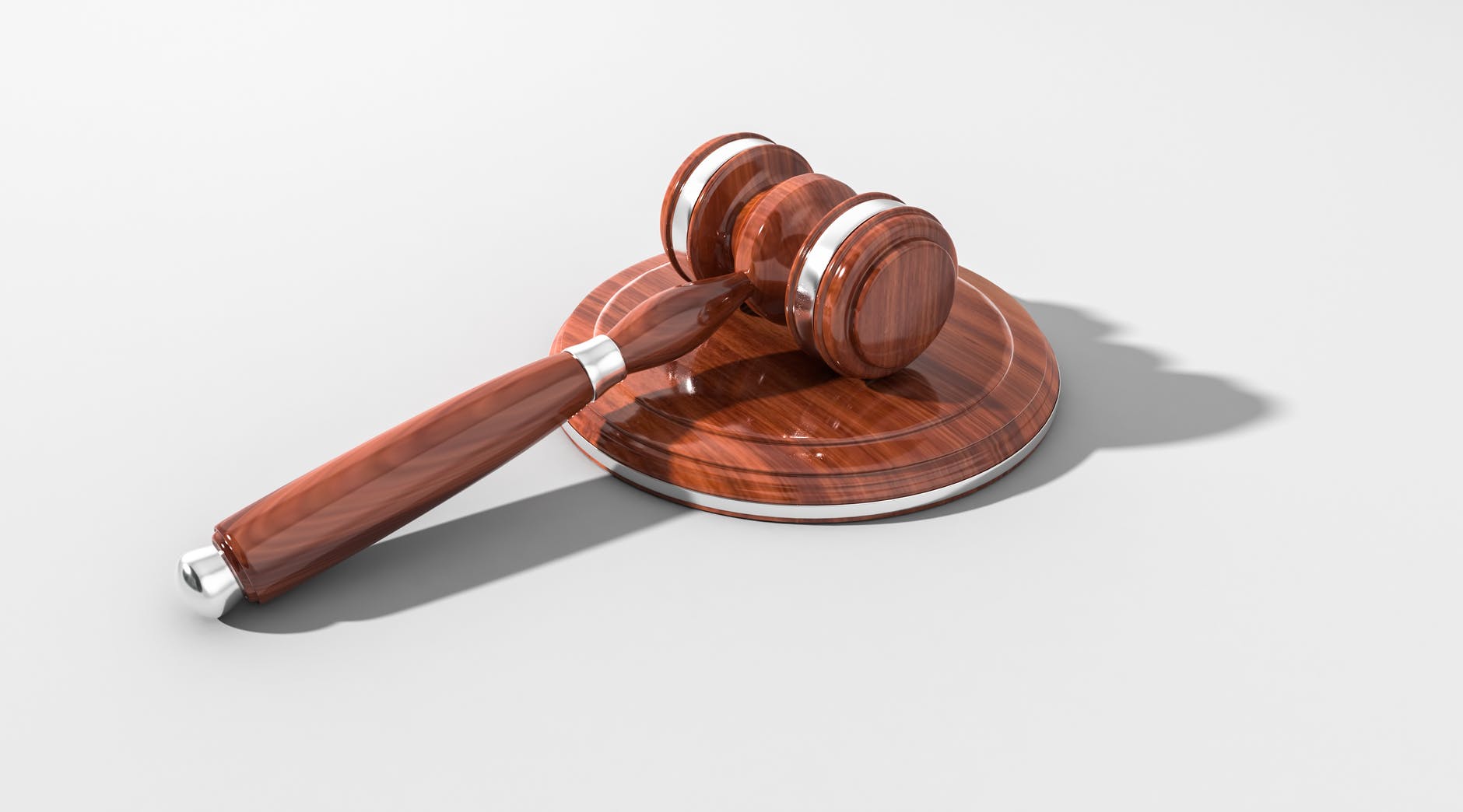

Picture a courtroom. Do you picture a Judge in a wig sitting higher than everyone else? Do you picture a jury listening intently whilst wigged barristers try to protest someone’s guilt or innocence? Most of us have some idea of what an English courtroom might look like, after all its a popular setting on TV. You’ve probably even heard of specific courts such as the Old Bailey, the Central Criminal Court.
Yet, the English court system is far more complex than the image you’ve got in your head. Over the next few blog posts I hope to introduce to the basic structure of the English court system. But first you need a basic understanding of how the law is categorised.
Firstly, law is split into public and private law. Public law governs the relationship between individuals and the state, with the State enforcing certain standards of behaviour, for example making theft illegal. Private law concerns the private relationships between individuals, such as contract law and family law. It therefore governs areas such as divorce, property and wills.
Secondly, law is split into criminal law and civil law. You’re probably very familiar with criminal law. These are laws made by Parliament, which if you break, you will be prosecuted by the State and will be punished for committing a crime. Murder, theft, arson and not owning a TV license are all criminal acts which carry varying punishments. Punishments could be (for example) imprisonment, a fine or community service.
Civil law on the other hand is concerned with the relationship between individuals. It is mainly concerned with a breach in contract or tort. For example, if you buy a new washing machine and it does not work or is faulty, you have the right under civil law to ask for compensation. You are probably aware that if you are hurt by an individual you could sue the person for compensation for the losses you’ve suffered.
So, if a crime is committed or you wish to sue someone how does a case end up in court? And which court?…

